
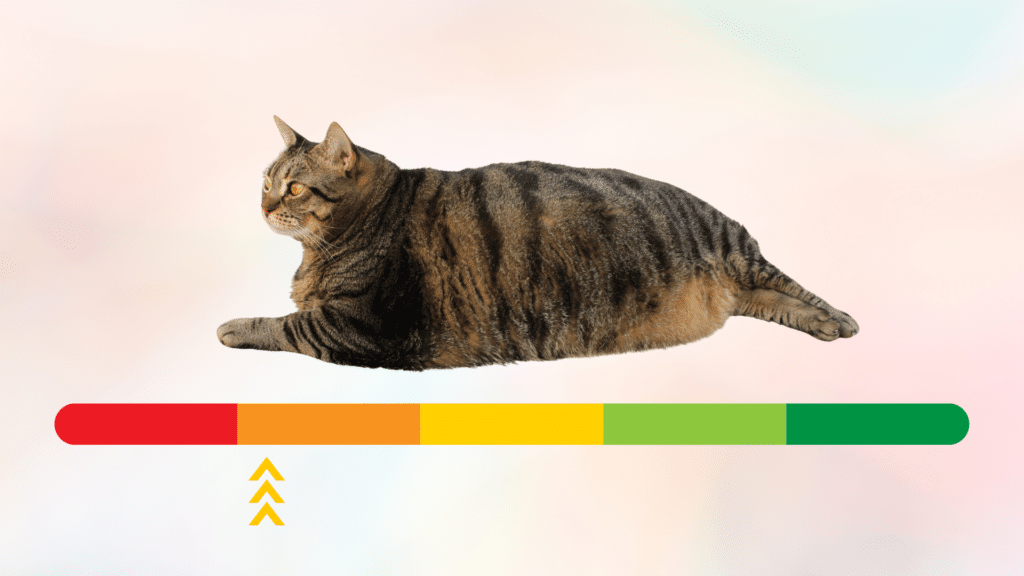
Have you noticed your cat getting a little rounder lately? Perhaps their belly looks fuller, their collar fits differently, or they seem less interested in jumping onto their favorite furniture. These subtle changes might leave you wondering whether your feline companion has become an overweight cat.
Recognizing changes in body condition is a valuable part of maintaining long-term feline health. Weight gain often happens gradually, making it easy to overlook until everyday movements become more challenging.
Anchor Bay Veterinary Center works with cat owners in New Baltimore, MI to understand the warning signs of weight gain and know when to seek veterinary guidance.
How Excess Weight Affects Your Cat
Carrying extra pounds creates physical challenges that extend beyond appearance. An overweight cat faces an increased risk of diabetes, arthritis, joint pain, and difficulty moving comfortably. Excess body fat places additional pressure on joints, making climbing, jumping, and routine grooming more demanding.
Some cats become noticeably less active as their weight increases, creating a cycle of reduced movement and further weight gain. Obesity may interfere with normal behavior, decrease energy levels, and negatively affect overall quality of life.
Maintaining a healthy weight supports comfortable movement, better mobility, and improved long-term wellness.
Common Reasons Cats Develop Weight Problems
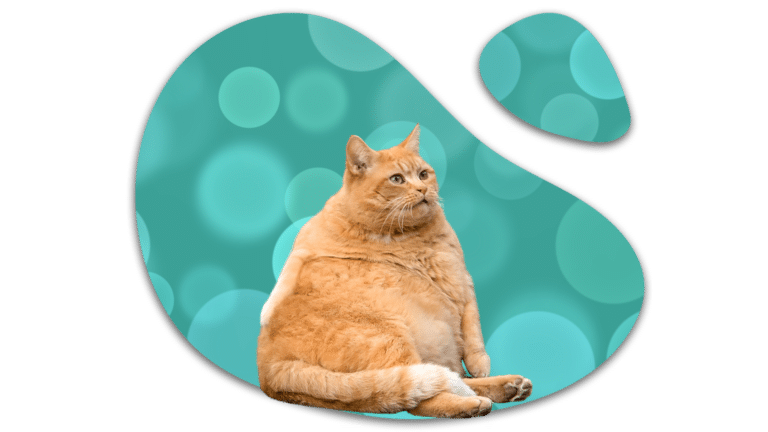
Overfeeding is among the leading contributors to feline weight gain. Generous food portions, frequent treats, calorie-dense diets, and unrestricted access to food often result in more calories than a cat burns throughout the day. Indoor cats with limited opportunities for physical activity face an increased risk of accumulating excess weight.
Age-related changes in metabolism and activity levels may contribute to gradual weight increases. Certain medications and underlying medical conditions sometimes influence body weight as well.
Identifying the underlying cause allows veterinarians to recommend appropriate nutritional adjustments and determine whether additional medical evaluation is necessary.
Physical Clues Your Cat Weighs Too Much
An overweight cat doesn’t always appear noticeably obese, particularly during the early stages of weight gain. Evaluating body shape and fat distribution offers more meaningful information than appearance alone.
Look at your cat from above to check for a visible waist behind the ribs. When gently feeling along their sides, the ribs should be noticeable beneath a thin layer of fat without firm pressure. Cats with excess body fat often have rounded abdomens, minimal waist definition, and thicker padding over their ribs.
Veterinarians assess these features using a body condition scoring system. The feline body condition scoring chart provides a visual reference for comparing different body conditions.
Get a Weight Assessment at Anchor Bay Veterinary Center
Unexpected weight gain deserves veterinary attention, especially when accompanied by changes in appetite, energy, or mobility. Anchor Bay Veterinary Center performs wellness consultations in New Baltimore to evaluate your cat’s body condition and investigate potential health concerns.
During a visit, the veterinary team reviews feeding routines, examines your cat’s overall physical health, and recommends diagnostic testing when needed. These findings guide individualized recommendations for food portions, nutrition, and physical activity.
Avoid sudden calorie restrictions or aggressive weight-loss plans without professional supervision. Rapid weight loss in cats increases the risk of hepatic lipidosis, a potentially life-threatening liver condition.
A gradual, veterinarian-guided approach prioritizes safety while encouraging meaningful progress.
Three Smart Steps Toward a Healthier Cat
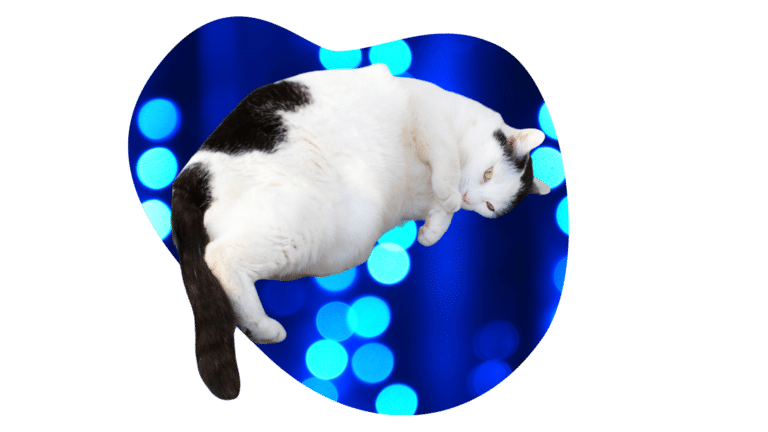
Managing an overweight cat starts with consistent daily habits rather than dramatic lifestyle changes. Consider these three practical strategies:
- Measure every meal. Use veterinarian-recommended portions and monitor treats to prevent accidental overfeeding.
- Introduce engaging activities. Encourage movement through interactive toys, climbing opportunities, and brief play sessions suited to your cat’s abilities.
- Avoid quick-fix diets. Skip unverified online weight-loss recommendations and discuss dietary adjustments with your veterinarian before making changes.
Consistency matters throughout the weight management process. Regular weigh-ins and follow-up veterinary assessments provide opportunities to track progress and adjust routines safely.
Feline Weight Management in New Baltimore, MI
If you’re concerned about an overweight cat, Anchor Bay Veterinary Center provides veterinary care for cats and dogs throughout New Baltimore, Algonac, Chesterfield, and Harsens Island. Whether you’ve noticed recent weight gain or ongoing difficulty maintaining a healthy body condition, professional guidance offers a practical starting point. Schedule an appointment to discuss your cat’s weight and overall wellness.
A healthy weight contributes to more comfortable movement, greater energy, and better everyday experiences.